


Aerospace engineers work in various sectors, such as the aviation industry, defense, and space exploration. If you are considering pursuing a career in this field, choosing the right college is critical.
This guide will break down the best colleges for aerospace engineering, a full list of institutions that undoubtedly provide students with the necessary skills, knowledge, and exposure to excel in this industry.
Top 7 Aerospace Engineering Colleges
Aerospace engineering is all about pushing boundaries – whether it’s designing faster aircraft, exploring outer space, or advancing next-gen technologies.
Among the world’s leading aerospace engineering schools, the following stand out as the best from the best.
MIT – Massachusetts Institute of Technology


MIT is globally recognized as a leader in aerospace engineering through its Department of Aeronautics and Astronautics. The program challenges students with a rigorous curriculum built on mathematics, physics, and engineering fundamentals, while providing pathways into advanced aerodynamics, spacecraft design, and systems engineering.
Hands-on learning is at the heart of MIT’s approach. Students have access to advanced research facilities like wind tunnels and propulsion labs, making MIT the best university for aerospace engineering.
Program Highlights
- World-class Aeronautics and Astronautics department
- Access to cutting-edge facilities, including spacecraft design/testing labs
- Opportunities for internships with companies like Boeing, SpaceX, and Lockheed Martin
- Strong pathway to graduate study or immediate industry careers
For students considering a transfer, MIT does accept transfer applications, though spaces are highly limited. Checking the current MIT transfer acceptance rate can help you assess your chances.
Caltech – California Institute of Technology

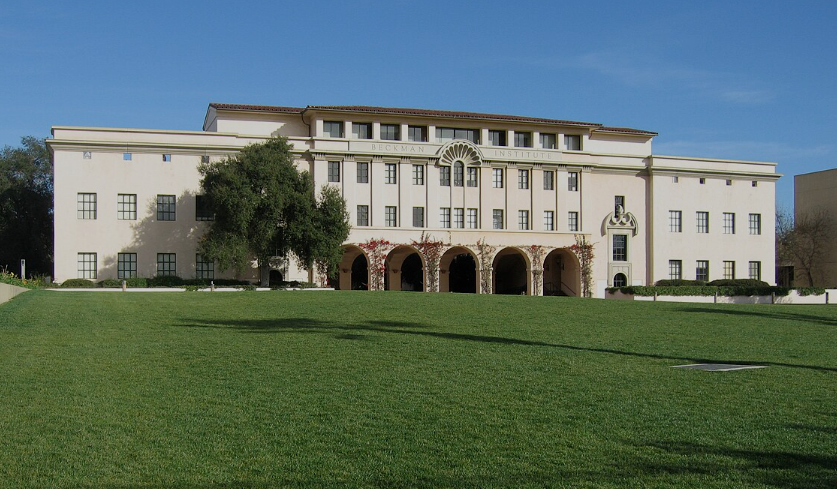
Caltech’s aerospace program is intimate, selective, and highly research-driven. Known for its close ties to NASA’s Jet Propulsion Laboratory, Caltech places students in direct contact with groundbreaking space missions and projects.
Its rigorous curriculum focuses on aerodynamics, propulsion, spacecraft design, and controls while encouraging students to apply classroom knowledge in real-world contexts.
Program Highlights
- Direct collaboration with NASA’s Jet Propulsion Laboratory
- State-of-the-art propulsion and spacecraft labs
- Small, selective program with world-class faculty access
- Ideal for students passionate about research and space exploration
Stanford University


Stanford University’s aerospace engineering program blends technical excellence with a culture of innovation. Students begin with a strong foundation in physics, mathematics, and core engineering courses before advancing into areas such as propulsion, structures, and control systems.
The program is designed to provide both breadth and depth, with electives that allow students to customize their path.
In case you’re looking to transfer, Stanford accepts a limited number of transfer students each year, so make sure to properly understand the requirements to boost your chances.
Program Highlights
- Strong curriculum covering aerodynamics, propulsion, and control systems
- Labs like the Aerospace Design Lab and Autonomous Systems Lab
- Opportunities for interdisciplinary work and entrepreneurship
- Strong research culture tied to Silicon Valley innovation
Georgia Tech – Georgia Institute of Technology


Georgia Institute of Technology is one of the largest and oldest programs in the nation. Its undergraduate curriculum is rigorous, blending aerospace fundamentals with options for specialization in areas such as space systems or aerodynamics.
With its strong alumni network and dedicated advising, Georgia Tech provides both academic rigor and career support.
The program consistently ranks among the best in the U.S. and has produced generations of aerospace professionals who are now leaders in industry and government.
Program Highlights
- One of the largest aerospace schools in the U.S.
- Flexible specialization opportunities within aerospace engineering
- Emphasis on hands-on projects and design competitions
- Strong alumni network supporting career placement
Students interested in transferring to Georgia Tech’s aerospace program should have a look at Georgia Tech’s transfer acceptance rates to understand competitiveness and requirements before starting the process.
Embry-Riddle Aeronautical University


Embry-Riddle stands out as the only major university focused almost exclusively on aviation and aerospace. With campuses in Florida and Arizona, it offers students a curriculum that balances theory with extensive practical experience.
Core classes in physics and engineering are complemented by specialized aerospace courses covering aerodynamics, propulsion, and spacecraft systems.
Program Highlights
- Specialized aerospace and aviation focus
- The Flight Operations program provides flying experience
- Strong ties to the aviation and defense industries
- Dual campuses offering diverse learning environments
University of Michigan – Ann Arbor


Michigan University’s aerospace engineering program is a rigorous, ABET-accredited BSE program with a balanced curriculum. Students gain strong foundations in math, physics, and chemistry before moving into core aerospace topics such as aerodynamics, propulsion, and design.
Michigan is also known for its extensive research facilities, including propulsion labs and spacecraft simulators. Students are encouraged to get involved in research early, working on projects that connect them to cutting-edge developments in aerospace technology.
Program Highlights
- Accredited Bachelor of Science in Engineering program
- Comprehensive curriculum with flexible electives
- Research opportunities in wind tunnels and spacecraft simulators
- Strong reputation for preparing students for graduate programs or aerospace careers
The University of Michigan accepts transfer applications for aerospace engineering, with slightly higher availability for students coming from community colleges.
Purdue University

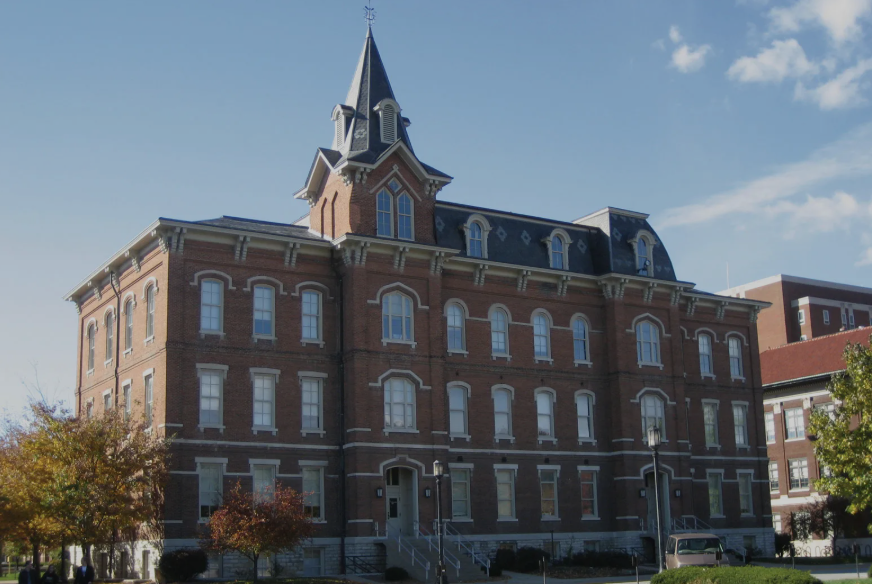
Purdue’s aerospace program is highly regarded for blending academic theory with real-world applications. Students receive rigorous training in calculus alongside laboratory and design-based coursework.
The program aims to develop engineers who are equally comfortable with theory and hands-on problem-solving.
Program Highlights
- Curriculum focused on both theory and hands-on design
- Undergraduate research in propulsion, space systems, and materials science
- Access to wind tunnel testing, rocket design, and satellite projects
- Strong preparation for advanced careers or graduate study
Things You Must Take Into Account When Choosing an Aerospace Engineering College
While reputation matters, the best college for you also depends on personal fit. The key factors to weigh before deciding where to study aerospace engineering include:
- Location: Proximity to aerospace hubs, research centers, or industry partners
- Tuition & Financial Aid Packages: Cost of attendance and scholarship opportunities
- Research Opportunities: Access to labs, wind tunnels, and space systems projects
- Internships & Industry Links: Partnerships with companies like NASA, Boeing, or SpaceX
- Program Size & Environment: Large programs with multiple tracks vs. smaller, selective ones
- Alumni Network & Career Support: Mentorship, job placement, and long-term connections
- Facilities & Resources: State-of-the-art labs, simulators, and design centers.
The Next Step Toward Your Aerospace Dreams
Your choice of college sets the stage for the innovations you’ll one day create. Each of the top aerospace programs offers unique strengths, so the key is selecting the environment where you can thrive.
With clear goals and the right program, you’ll gain the skills and experiences needed to move from student to innovator, ready to contribute to the future of aviation and space exploration.